
In the vibrant landscape of Stanfield, Arizona, where history naturally intertwines with modern life, petroglyphs stand as ancient testaments to the region's rich cultural heritage. These intricate rock carvings, etched by indigenous peoples centuries ago, offer a unique glimpse into their beliefs, daily lives, and artistic expressions. However, preserving and understanding these fragile historical artifacts present a significant challenge. This article delves into the intricacies of petroglyph conservation in Stanfield, exploring innovative solutions to safeguard these irreplaceable cultural treasures for future generations.
- Discovering Petroglyphs: Stanfield, Arizona's Ancient Art
- Unlocking History: Interpreting Rock Art in the Region
- Preserving Cultural Heritage: Conservation Efforts Nearby
Discovering Petroglyphs: Stanfield, Arizona's Ancient Art
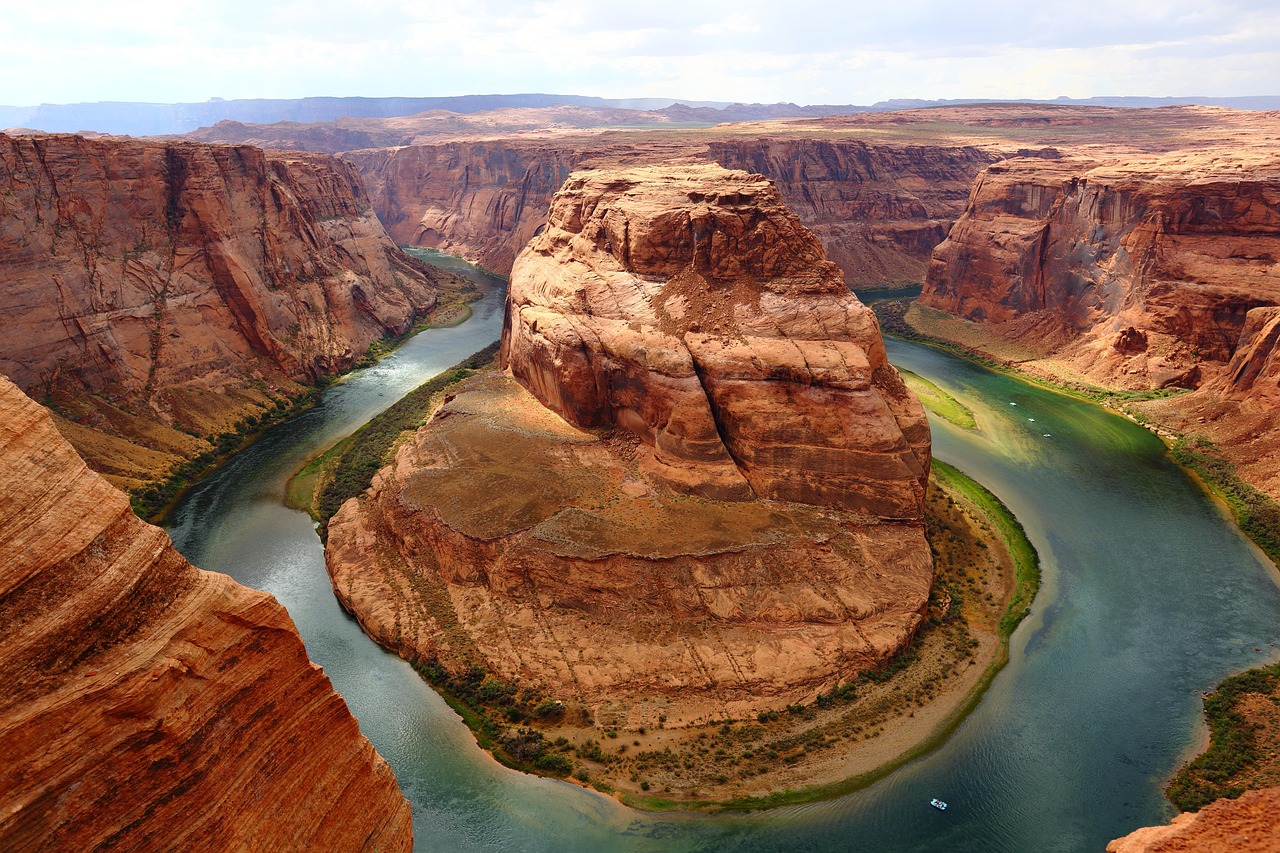
In the heart of Stanfield, Arizona, a hidden treasure awaits exploration—ancient petroglyphs that tell the story of this region's rich history. These intricate rock art pieces, etched into the natural canvas of the local landscape, offer a unique glimpse into the lives and beliefs of indigenous communities who once roamed these parts. Discovering and understanding Stanfield's petroglyphs is not merely an outdoor adventure but an immersive cultural experience that connects visitors to Arizona's past.
Stanfield, known for its vibrant community and charming atmosphere, also boasts a significant archaeological resource. The petroglyphs, found in various locations across the city, date back thousands of years, providing a lasting legacy of indigenous art and symbolism. Each figure—from abstract shapes to recognizable animals—carved into the rock faces, is a testament to the creative spirit and profound cultural heritage of Arizona's original inhabitants. Exploring these ancient artworks becomes an opportunity to honor and preserve Stanfield's history while fostering appreciation for its diverse cultural heritage.
For those seeking authentic experiences in Stanfield, Arizona, delving into this archaeological wonder is a must. It offers not only a chance to connect with the region's deep-rooted past but also a unique perspective on the artistic expressions of early communities. Arizonan.com encourages visitors to take a moment and truly appreciate these natural artifacts, ensuring that Stanfield's petroglyphs remain protected and accessible for future generations to discover and cherish.
Unlocking History: Interpreting Rock Art in the Region
The ancient stories etched into the rocks near Stanfield, Arizona, offer a captivating glimpse into the region's rich past. Interpreting these petroglyphs is like unlocking a time capsule, revealing the beliefs, customs, and daily lives of prehistoric inhabitants. This art form, unique to the American Southwest, provides invaluable insights into indigenous cultures that once thrived in this area, particularly along the Stanfield River Valley. By understanding the symbolism and context behind each design, visitors can embark on a journey through time, connecting with the region's deep-rooted history.
Stanfield, situated in the heart of Arizona, is naturally blessed with a rich cultural heritage visible in its surroundings. The local petroglyphs depict various themes, from hunting scenes and animals to abstract symbols and human figures. Experts believe these rock art pieces served multiple purposes, including storytelling, spiritual expression, and marking territorial boundaries. For example, some panels show detailed representations of deer, suggesting a significant role these creatures played in the area's ancient ecosystems. Interpretations can be enhanced by considering the geological features surrounding the art, as certain locations may have held cultural or ritual importance.
Engaging with Stanfield's petroglyphs offers a unique opportunity for visitors to connect with Arizonan history and culture. When exploring these sites, it's essential to approach them with respect and curiosity. The Stanfield River Valley provides an ideal setting for this exploration, allowing visitors to immerse themselves in the natural landscape while uncovering hidden narratives. For those seeking authentic experiences and a deeper understanding of the region, studying these rock art pieces can be a rewarding endeavor, leaving a lasting impression of the ancient spirits that once inhabited these very lands. Visit Arizonan.com to discover more things to do in Stanfield and unlock the secrets of this remarkable cultural heritage.
Preserving Cultural Heritage: Conservation Efforts Nearby
In Stanfield, Arizona, naturally, the preservation of cultural heritage is a significant aspect of the local community's focus. The area is rich in indigenous history, with numerous petroglyphs scattered across the landscape—a testament to the ancient cultures that once thrived here. These unique rock art pieces not only serve as historical artifacts but also as a vital link to Stanfield's Things to Do for both locals and visitors interested in delving into the region's past.
Conservation efforts in Stanfield have been proactive, with local organizations and residents united in their mission to protect these cultural treasures. The primary strategy involves regular monitoring and maintenance of the petroglyph sites, ensuring their longevity against natural wear and tear. Additionally, educational programs are implemented to raise awareness about the importance of preserving indigenous heritage, fostering a deeper appreciation for the area's rich history among Stanfield Things to Do enthusiasts.
Arizonan.com has been at the forefront of these initiatives, providing resources and support for conservation projects. By collaborating with local artists, archeologists, and historians, we aim to restore and preserve these irreplaceable cultural artifacts. The success of these efforts is evident in the vibrant display of petroglyphs that continue to captivate visitors from around the world. As a community, Stanfield remains committed to sharing its unique heritage responsibly, ensuring that future generations can also Things to Do and appreciate this living testament to Arizona's indigenous past.